

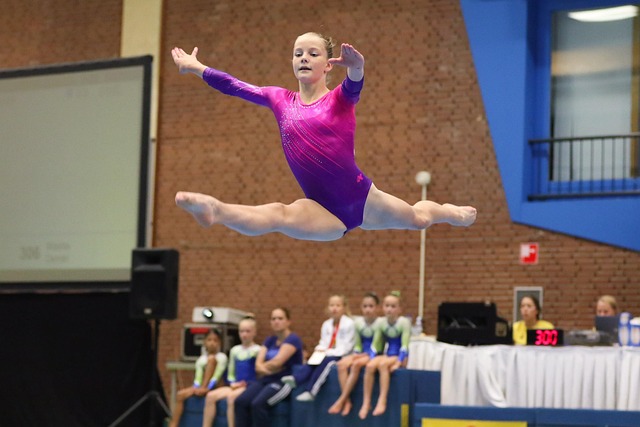
Practising gymnastics at home can be both fun and productive, but it comes with responsibilities. Safety should always be the main focus, especially when training outside of a professional setting. By taking care when setting up and using equipment, injuries can be avoided and progress can continue smoothly.
The first step is making sure the area is suitable for movement. Training should never take place near furniture, sharp edges, or hard walls. Enough space is needed around each item to allow free movement and proper landings. Lighting also plays a role. A well-lit area makes it easier to see and react during routines, reducing the risk of accidents.
Before each session, the gymnast should check that everything is properly placed and secure. Loose parts, worn materials, or tilted surfaces can lead to slips or falls. Taking just a few minutes to inspect the area can prevent problems. If anything seems damaged or unstable, it’s better to stop and make adjustments before starting again.
Using home gymnastics equipment correctly is just as important as having it. Each item comes with instructions for a reason. These should be followed closely, especially when setting up bars or beams. Over time, bolts and fasteners may loosen, so it’s a good habit to check them regularly. Equipment that feels wobbly or uneven should be avoided until fixed.
Mats must be thick enough to handle the level of activity planned. Thin or worn mats may not offer enough support during jumps or falls. For higher-impact moves, a crash pad or layered mat system gives better protection. Beginners may need extra cushioning until they develop stronger control and balance.
Training at home should always match the gymnast’s current ability. Trying to perform advanced moves without the right supervision or preparation can be dangerous. Slow and steady progress leads to better long-term results. A safe space encourages more practice and builds confidence over time.
Clothing can also affect safety. Loose clothes or jewellery may catch on bars or beams. Hair should be tied back, and bare feet or gymnastics shoes are often best for grip and control. The goal is to move freely without anything getting in the way or causing distraction.
If more than one person is using the space, clear rules help avoid collisions. Only one person should be on a piece of equipment at a time. Spotting should be done by someone who knows the skill and how to assist safely. Even with simple drills, supervision can make a big difference—especially for younger children.
Hydration and rest are part of safe training too. Tired or dehydrated gymnasts are more likely to make mistakes. Short breaks, water nearby, and attention to how the body feels all support safe practice. Pushing through pain or ignoring signs of fatigue should be avoided.
Keeping home gymnastics equipment clean also supports safety. Sweat, dust, or spilled drinks can make surfaces slippery. Regular cleaning keeps grips strong and reduces the risk of slipping during movement. It also helps equipment last longer and stay in good condition.
Emergency planning is part of safe training. It’s helpful to have a first aid kit nearby and to know what to do if something goes wrong. While the goal is to avoid accidents, being ready for them adds another layer of protection. If anything serious happens, knowing when to stop and get help is key.
Parents or guardians should always stay informed about what their child is doing during home training. Watching a session now and then or checking progress with a coach helps ensure everything is on track. It also shows support, which can encourage the gymnast to keep practising in a safe and focused way.
Training at home adds extra hours to practise skills and build confidence, but it works best when safety is treated as part of the routine. With proper care, attention, and the right home gymnastics equipment, gymnasts can grow stronger and improve while staying safe in their own space.