

Many people begin weight loss with a treadmill and a salad plan. They walk, sweat, cut snacks and wait for the scale to move. Sometimes it does. Sometimes it stops. That is often when strength training starts to look less like a bodybuilder’s hobby and more like a useful tool.
The audience for this advice is not only gym regulars. It includes parents with half an hour spare, office workers with stiff backs and beginners looking at athletics equipment without knowing where to start. They do not need a perfect gym plan. They need a clearer reason to lift.
Strength training can help because muscle is active tissue. It uses energy, supports movement and helps the body handle daily tasks. Building large amounts of muscle takes time, but even basic training can make the body work better. A person may climb stairs more easily, carry shopping with less strain and feel less tired during ordinary activity.
It also changes what a weight-loss plan feels like. Cardio can burn energy during the session. Lifting may burn less in the moment, but it can help protect muscle while a person eats less. That matters because losing weight too fast without resistance work can mean losing muscle along with fat. The scale may drop, but the body may become weaker.
The word “faster” needs care. Strength training does not cancel out a poor diet. It will not erase late-night takeaways or oversized portions. Food still drives much of the result. But lifting can make the plan more effective because it gives the body a reason to keep useful muscle while fat is being reduced.
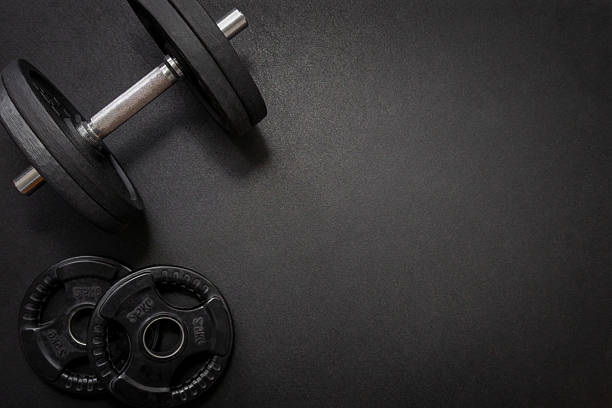
A simple home set-up can work. A pair of dumbbells, a bench, bands or other athletics equipment can support squats, rows, presses and carries. The first goal is not to lift heavy. It is to learn safe movement and repeat it often enough to improve.
Beginners should train the main movement patterns. Push something. Pull something. Bend at the hips. Sit down and stand up under control. Carry weight. These movements match real life better than complicated routines copied from advanced lifters.
Two or three sessions a week may be enough for many people at the start. Each session can be short. The body responds to repeated effort, not to dramatic promises. A person who trains for twenty-five minutes three times a week will often do better than someone who burns out after one brutal session.
Strength work also helps with appetite for some people, though not everyone reacts the same way. Some feel hungrier after hard training. Others find that regular exercise makes them more likely to choose better meals. The useful point is not perfection. It is structure. Training gives the week a pattern.
Progress should be measured in more than kilos. If trousers fit better, energy improves and lifts become easier, the plan may be working even when the scale moves slowly. Muscle can hide some fat loss on the scale. That can frustrate beginners, so waist size, photos and how clothes fit can give a fuller picture.
Safety matters. Poor form with heavy weight can cause injury. New lifters should start light, learn the movement and add load slowly. Pain in a joint is not a sign of toughness. It is information. A coach can help, even for a few sessions.
Buying athletics equipment should come after a plan, not before it. A person should know the exercises they will do, the space they have and the weight they can handle. A simple, used set that gets used is better than an expensive rack that becomes decoration.
Strength training helps weight loss because it builds a body that can do more. It can make movement easier, protect muscle, improve routine and support long-term change. The scale may still demand patience, but the person is no longer only trying to become smaller. They are becoming more capable.