

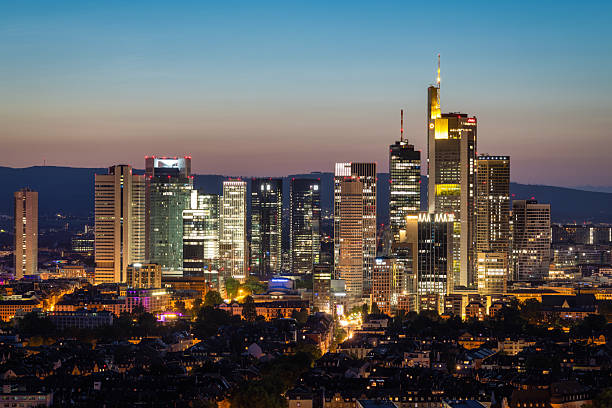
The 2026 Rhythmic Gymnastics World Championships will bring the sport to Frankfurt from 12 to 16 August. For fans, this is not just another stop on the calendar. It is the first World Championships after the Paris cycle has settled, and some gymnasts will arrive with new pressure on them.
People who follow the sport closely may also look at it differently from casual viewers. A beginner may see sparkle, music and colour. A serious fan watches risk. The hoop has to land on time. The ribbon must not lose shape. The clubs have to return to the hand as if they were pulled by string. Anyone browsing gymnastics equipment may know the names of the pieces, but a world final shows how little room there is for error.
Darja Varfolomeev
The home crowd will expect a great deal from Darja Varfolomeev. She is not only Germany’s Olympic champion. She is also the athlete the Frankfurt organisers have already placed at the centre of attention. That can help, but it can also make the week feel heavy.
Her main strength is control under stress. She rarely looks rushed, even when the routine is packed. In 2026, the story may be less about whether she can win and more about how she carries being the face of the event.
Stiliana Nikolova
Stiliana Nikolova is the kind of gymnast who can change the mood of a final. She brings power, pace and a bold way of moving that makes her easy to remember. Her all-around silver at the 2025 Worlds showed that she can stay close to the very top.
For viewers, the question is whether she can turn pressure into a cleaner four-routine day. She has the level to challenge anyone. The margin may come from small decisions made in the busiest moments.
Sofia Raffaeli
Sofia Raffaeli remains one of the most watchable names in the sport. She has already carried the weight of being a world champion, an Olympic medallist and Italy’s leading individual star. In 2025, she kept herself in the medal conversation and showed again that her hoop work can still trouble the field.
Raffaeli is worth watching because she competes with a sharp sense of character. She does not only perform skills. She sells a complete idea. If she arrives in Frankfurt with refreshed routines, she could make the final feel far less settled.
Taisiia Onofriichuk
Taisiia Onofriichuk may be the name some casual fans miss, but that would be a mistake. Her fourth-place finish in the 2025 all-around put her close enough to the podium to matter. Athletes in that position often become dangerous the following year because they know exactly what one more step would mean.
Her appeal is the rise. She is not being watched only for medals she already owns. She is being watched because the next one feels possible.
Rin Keys
Rin Keys gives the 2026 field a different kind of interest. Her silver in the 2025 ball final was a major result for the United States and for the Americas. That result may change how fans watch her next season.
World medals can lift an athlete, but they can also make every later mistake look bigger. Keys now has proof that she belongs near the front. The test in Frankfurt is whether she can make that level look repeatable.
At this level, gymnastics equipment is not background decoration. It becomes part of the contest. A loose throw, a late catch or a tangled line can decide a season. That is why these five names are worth following before the medals are handed out.
Young gymnasts studying gymnastics equipment should watch more than the final score. They should notice how each athlete enters the floor, handles a mistake and finishes a routine without asking the crowd for help. That is where the real lesson often sits.